
The UNC System Common Ground Collaborative
The faculty-driven UNC System Common Ground Collaborative is designed to strengthen students’ oral communication, rational argument ability, and critical thinking skills through structured dialogue, discourse, and debate.
Listening Matters. Learning Lasts.
The UNC System Common Ground Collaborative is a faculty-led, Systemwide investment in teaching and learning. Through evidence-based teaching, professional learning, scholarly collaboration, and research, Common Ground supports faculty in helping students listen carefully, think critically, communicate respectfully, build relationships, and solve problems together.
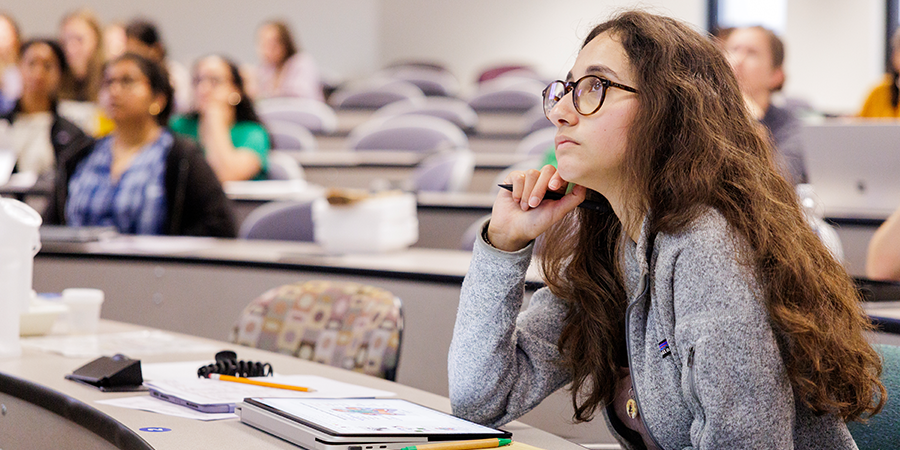

From the Classroom to Life Beyond College
The skills at the center of Common Ground extend beyond any individual course. Listening, critical thinking, reasoned argument, collaboration, and the ability to work through disagreement help students participate more fully in academic life, professional settings, and their communities.
Faculty are Leading the Way
Common Ground is informed by faculty expertise across the UNC System. More than 100 UNC System faculty members are developing new courses and enhancing existing ones through Common Ground.
Their work spans disciplines, including biology, communication, art and digital design, mathematics, law, engineering, finance, philosophy, and more.

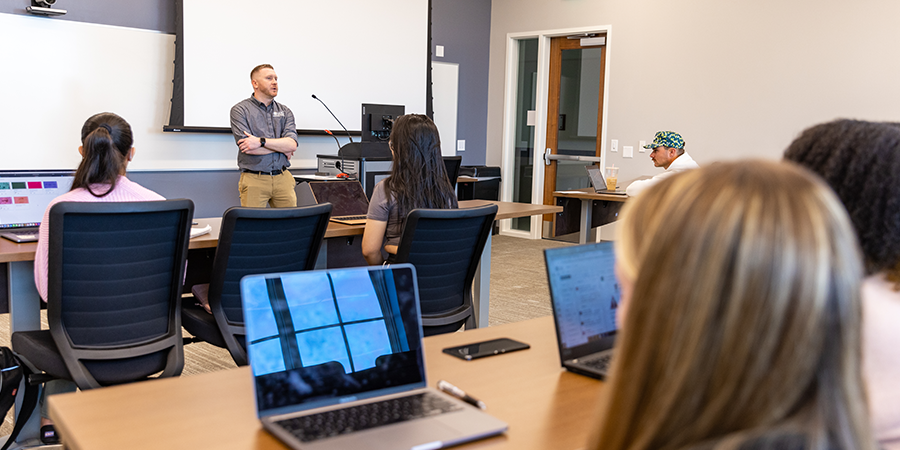
Open Inquiry and Academic Freedom
Open inquiry is fundamental to the academic work Common Ground supports. Faculty retain discretion to determine appropriate course content and teaching methods consistent with disciplinary standards, professional judgement, and academic freedom.
Common Ground does not prescribe viewpoints, require ideological balance, or mandate that faculty present “both sides” of an issue.
What Common Ground Supports
Teaching and Faculty Development
Common Ground supports faculty in developing and enhancing courses and provides access to teaching resources, professional development, fellowships, and collaborative learning opportunities.
Scholarly Practice and Assessment
Participants contribute to a Systemwide community of practice through developmental peer review, shared reflection, documentation of teaching outcomes, and student assessment.
Connection Across Institutions
Convenings, webinars, and other activities connect faculty across disciplines and institutions to exchange ideas and learn from one another.
Research and Evidence
Faculty-led research, student assessment, and independent evaluation help the System understand and refine effective approaches to teaching dialogue, reasoning, and communication.
Civil Discourse and the University of North Carolina
Strong Civility, Culture of Collaborative Problem-Solving, and Inherent Dignity
The UNC System Faculty Assembly Task Force on Civil Discourse released a comprehensive examination of the value of civil discourse in the undergraduate experience. The report highlights examples of curricular and co-curricular work already underway across UNC System institutions and offers recommendations for assessing and strengthening civil discourse work across the state.